The Science Behind Trauma Responses: Fight, Flight, Freeze, and Fawn Explained
The Four Responses and Why They Exist
When people experience overwhelming, threatening, or highly stressful events, the brain activates survival systems designed to protect them. These responses are automatic biological reactions that help us respond quickly when danger appears.
Many people who have experienced trauma wonder:
- "Why did I react that way?"
- "Why couldn't I think clearly?"
- "Why does my body react even when I know I am safe?"
- "Why do I avoid certain situations or people?"
The answer often begins with understanding the nervous system.
Trauma responses are not signs of weakness. They are protective patterns created by the brain and body to increase survival during moments of danger.
The four commonly discussed trauma responses are:
- Fight
- Flight
- Freeze
- Fawn
Each response represents a different way the nervous system attempts to create safety.
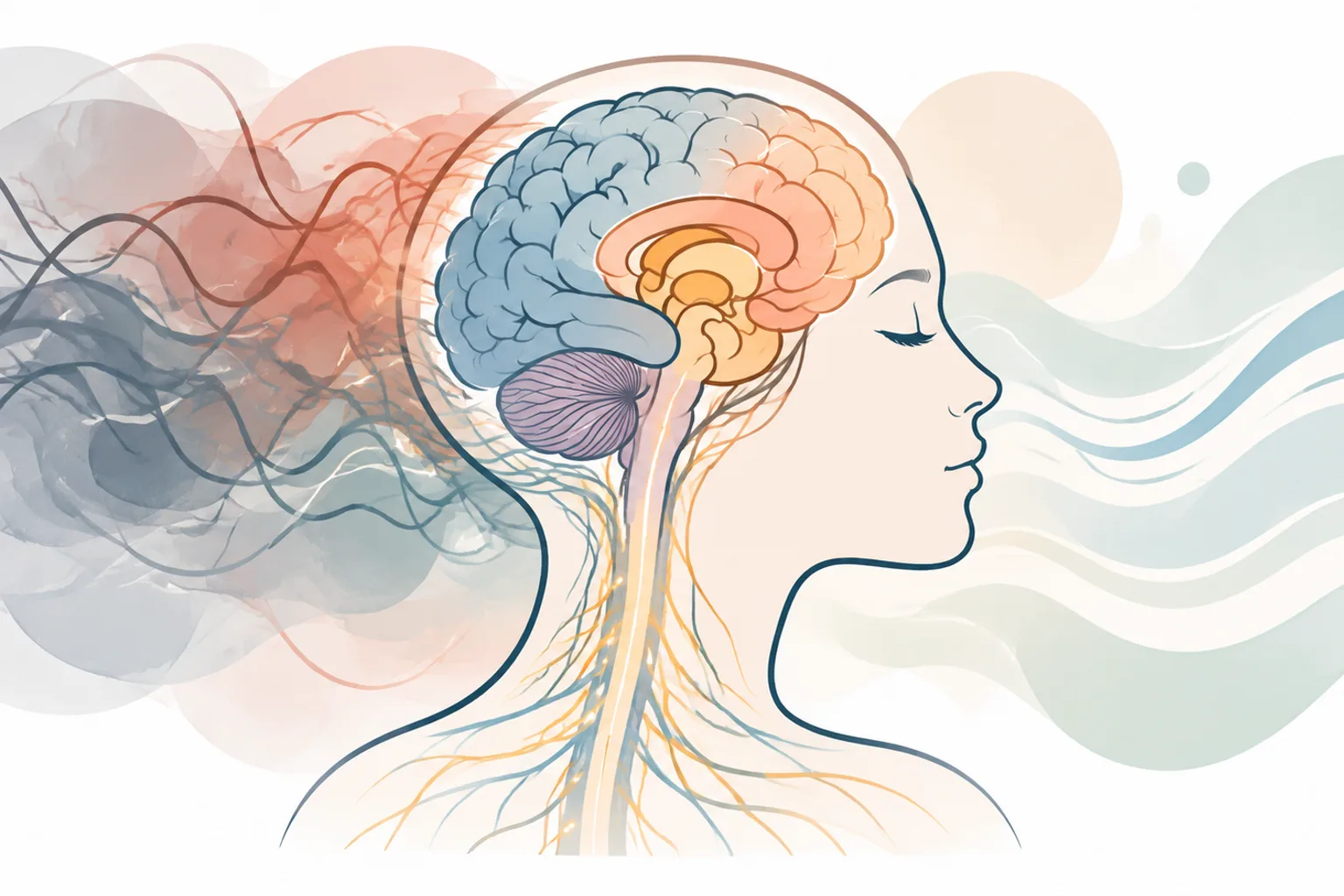
The Brain's Survival System
The human brain is constantly scanning the environment for possible threats. Before conscious thinking happens, the brain asks: "Am I safe?"
This process involves several important systems.
The Amygdala: The Alarm System
The amygdala helps detect potential danger and activates emotional responses. When the brain identifies a threat, it can send signals that prepare the body for action:
- Increased heart rate
- Faster breathing
- Muscle tension
- Increased alertness
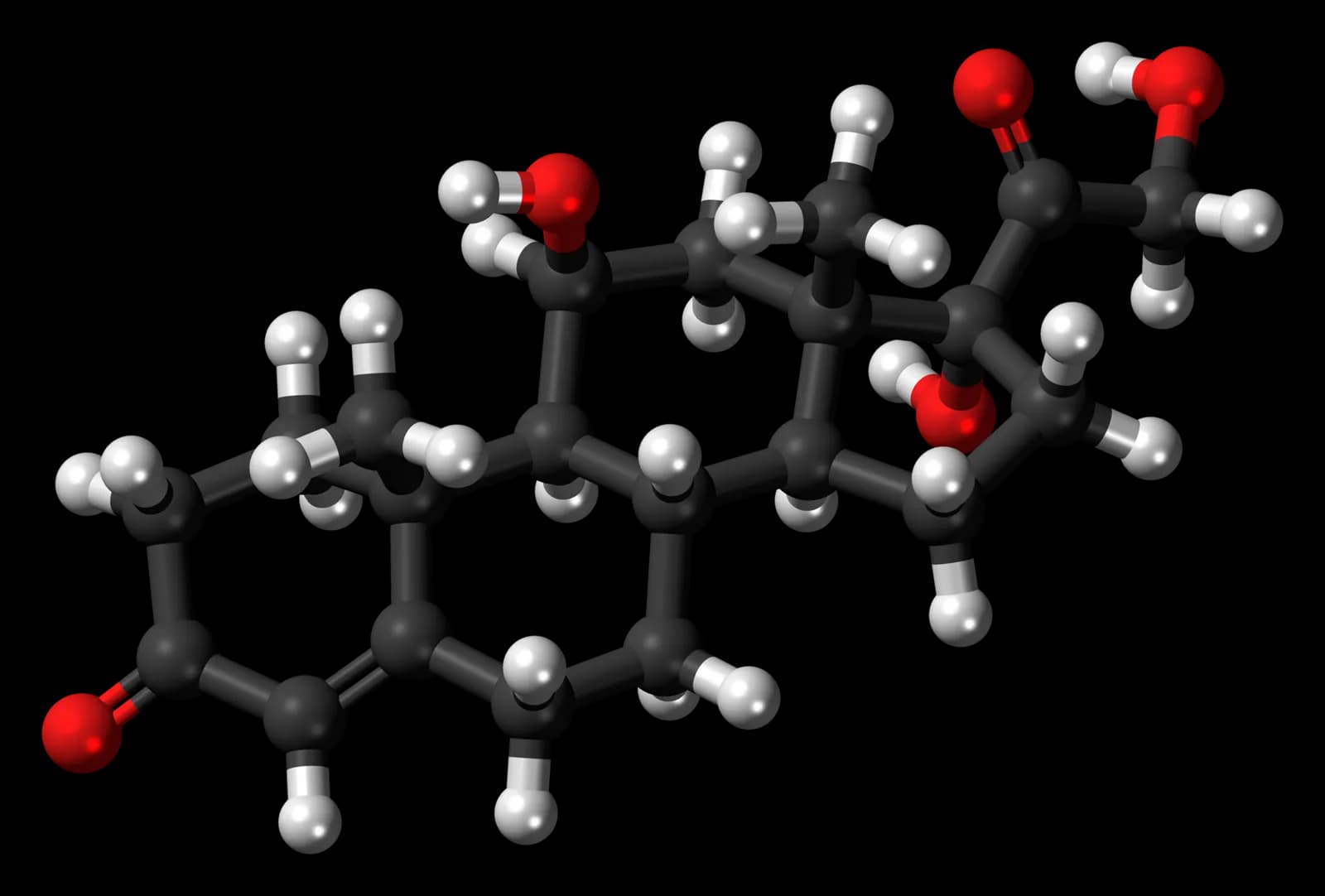
- Release of stress hormones
This reaction is designed to help a person respond quickly.
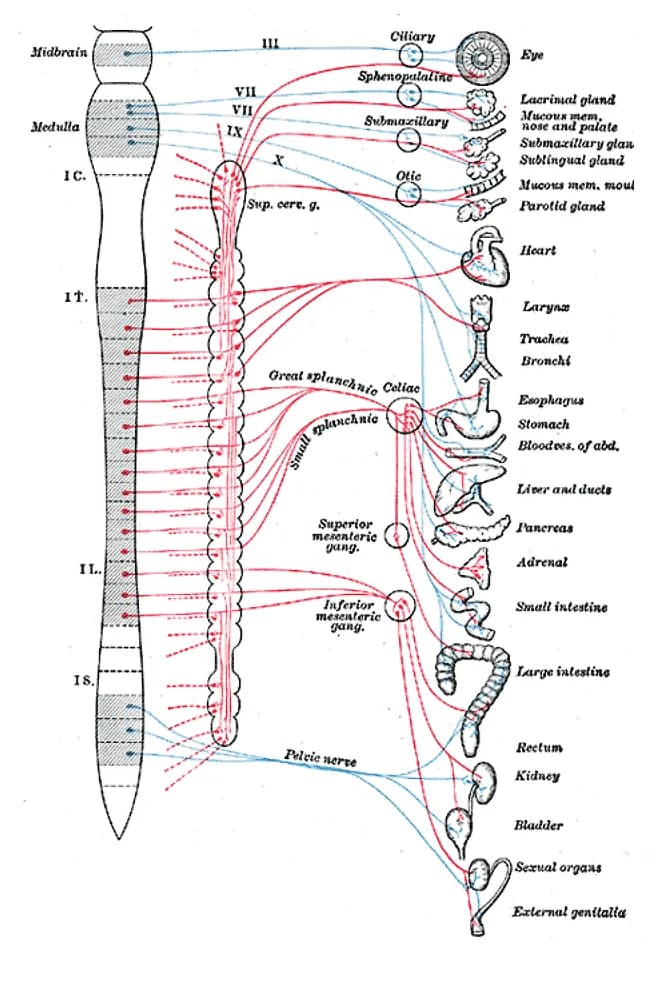
The Autonomic Nervous System
The autonomic nervous system controls automatic body functions such as:
- Heart rate
- Breathing
- Blood pressure
- Digestion
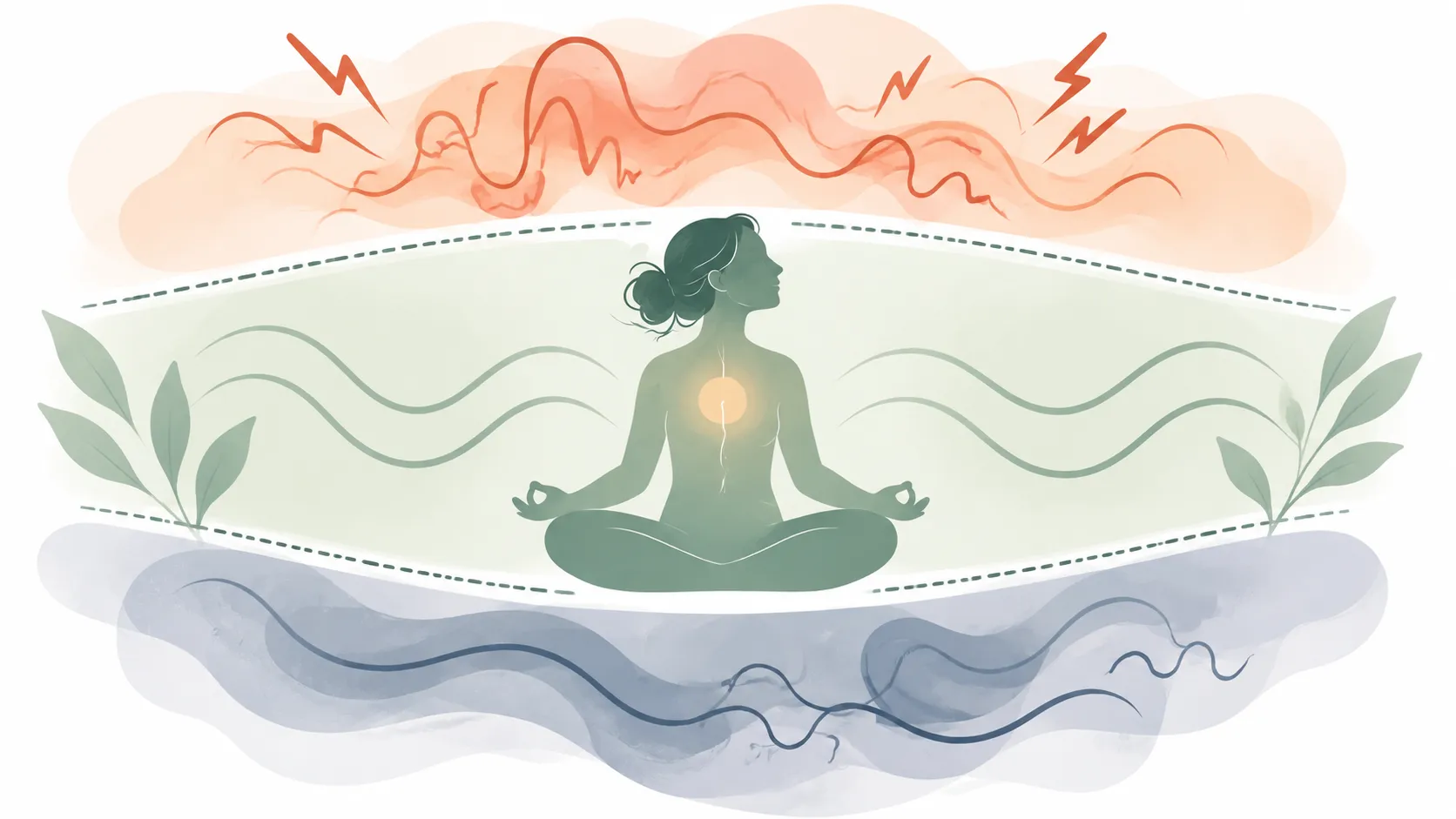
During perceived danger, two major branches become important.
Sympathetic nervous system — responsible for activation:
- Increased energy
- Alertness
- Preparation for action
Parasympathetic nervous system — responsible for calming and recovery:
- Rest
- Recovery
- Restoration
Trauma can influence how easily the nervous system shifts between these states.
Fight Response: The Brain Prepares to Defend
The fight response occurs when the nervous system prepares a person to confront a perceived threat. The body may move into a state of:
- Increased strength
- Increased energy
- Heightened alertness
- Defensive behavior
A person experiencing a fight response may:
- Become angry quickly
- Feel the need to control situations
- Argue or defend themselves strongly
- Feel threatened by disagreement
- Experience intense frustration
The underlying message of the nervous system is: "I need to protect myself."
Examples of fight response. A person might:
- Raise their voice during conflict
- Feel unable to let go of an argument
- Become defensive when criticized
- Feel strong anger when feeling unsafe
The response is not always about aggression. Sometimes it appears as:
- Perfectionism
- Control
- Constant problem-solving
- Difficulty accepting vulnerability
Flight Response: The Brain Searches for Escape
The flight response prepares the body to move away from danger. The nervous system sends the message: "I need to get away."
A person experiencing flight may:
- Avoid certain situations
- Leave conversations quickly
- Feel restless
- Overthink possible problems
- Stay constantly busy
Examples of flight response. Flight may appear as:
- Avoiding difficult emotions
- Staying distracted
- Working excessively
- Constant planning
- Difficulty relaxing
Sometimes the person is not physically running away, but emotionally trying to escape discomfort.
Freeze Response: When the System Stops
The freeze response occurs when the brain perceives danger as overwhelming or impossible to escape. Instead of fighting or escaping, the nervous system may reduce activity. The message becomes: "The safest option is to become still."
A person experiencing freeze may feel:
- Unable to move
- Unable to speak
- Disconnected from emotions
- Numb
- Mentally distant
Examples of freeze response. A person might:
- Feel unable to respond during conflict
- Forget details of stressful moments
- Feel emotionally disconnected
- Experience difficulty making decisions
Freeze is not a conscious choice. It is an automatic survival response.
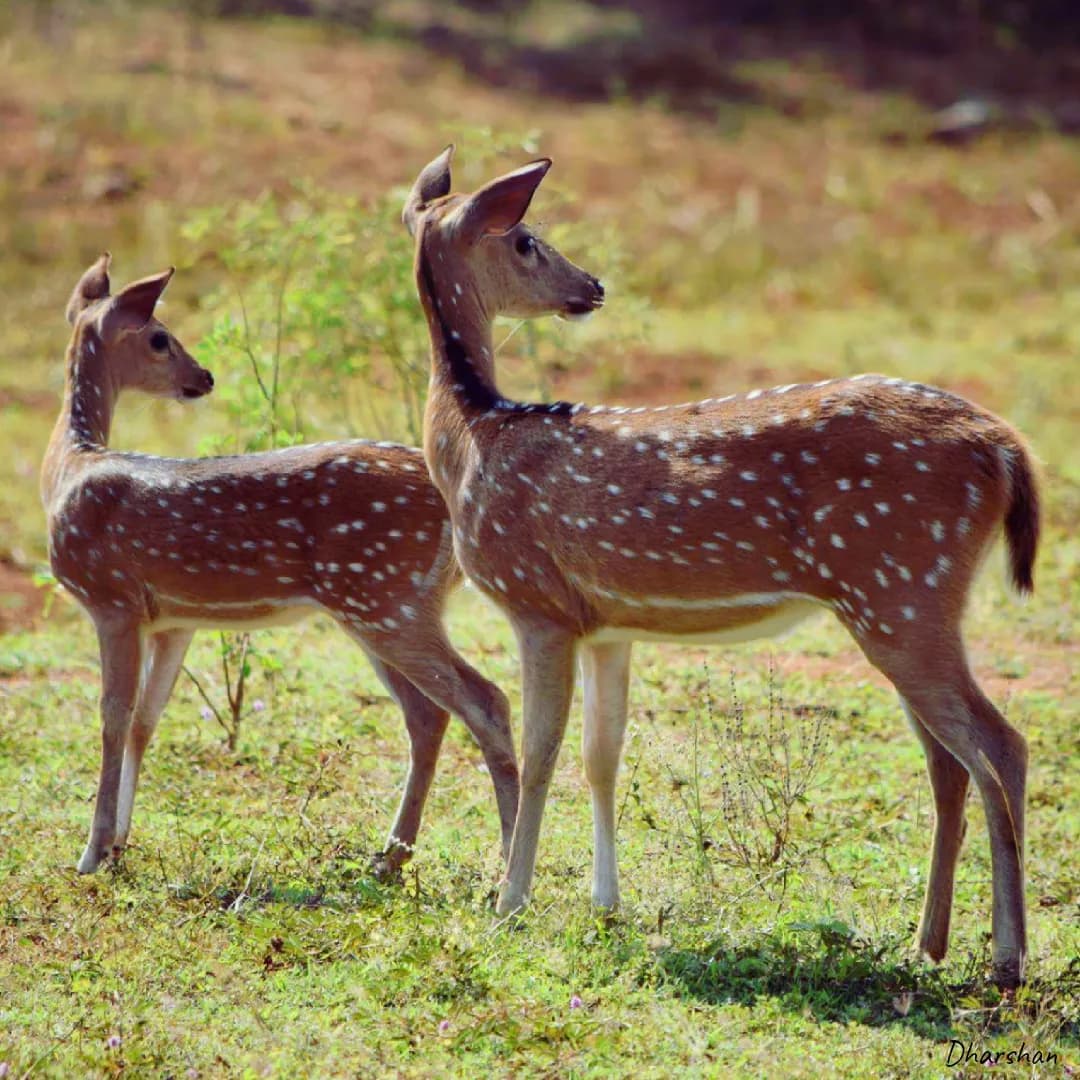
Fawn Response: Creating Safety Through Connection
The fawn response describes a pattern where a person attempts to create safety by adapting to others. The nervous system learns: "If I keep others happy, I may avoid danger."
A person experiencing fawn may:
- Prioritize others' needs over their own
- Avoid conflict
- Apologize excessively
- Have difficulty setting boundaries
- Feel responsible for others' emotions
Examples of fawn response. A person might:
- Agree even when uncomfortable
- Ignore their own feelings
- Try to please everyone
- Avoid saying "no"
This response often develops as a way of maintaining safety in difficult environments.
Why Trauma Responses Continue After Danger Ends
One of the most confusing parts of trauma is that survival responses can continue even after the original danger has passed.
The brain learns through experience. If a situation was dangerous in the past, the nervous system may become highly protective in the future.
Triggers can include:
- Certain places
- Sounds
- Smells
- Facial expressions
- Conflict
- Relationship patterns
The brain is not trying to create problems. It is attempting to prevent future harm using information from previous experiences.
Trauma Responses Are Protective, Not Broken
A trauma response is not a character flaw. It is a biological adaptation.
A person may have learned:
- Fight because fighting created protection.
- Flight because leaving created safety.
- Freeze because staying still reduced danger.
- Fawn because connection prevented conflict.
Understanding these patterns creates an opportunity for healing.
Learning New Responses Through Regulation
The goal of healing is not to eliminate all stress responses. These systems are necessary for survival.
The goal is to develop flexibility:
- Recognize when a response is activated.
- Create a sense of safety.
- Use regulation skills.
- Choose a response instead of reacting automatically.
Helpful regulation strategies include:
Grounding
Returning attention to the present moment. Examples:
- Naming things you can see
- Feeling your feet on the ground
- Noticing your surroundings
Breathing Practices
Slow breathing can help signal safety to the nervous system.
Body Awareness
Learning to recognize:
- Muscle tension
- Heart rate changes
- Emotional signals
Safe Relationships
Supportive relationships can help the brain experience safety and connection.
Reflection Exercise: Understanding My Trauma Responses
When I feel threatened, I usually:
- Fight
- Escape or avoid
- Shut down
- Try to please others
My body usually tells me I am stressed through:
Things that help me feel safe:
Key Takeaways
- Trauma responses are survival mechanisms created by the brain and nervous system.
- Fight, flight, freeze, and fawn are different ways the body attempts to create safety.
- These responses happen automatically and are not signs of weakness.
- Understanding your patterns can increase self-awareness and emotional regulation.
- The nervous system can learn new patterns through safety, support, and practice.
Your reactions have a history. Understanding that history is the first step toward healing.
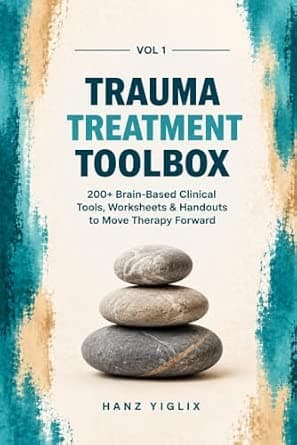
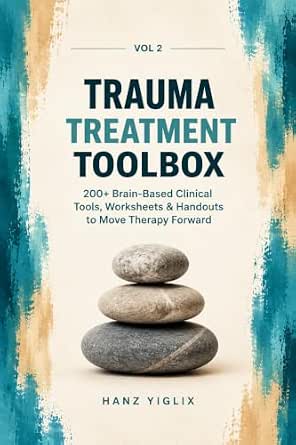
Ready to use these tools in session?
The Trauma Treatment Toolbox gives you 200+ ready-to-adapt worksheets, client handouts, and clinical tools per volume.
Keep exploring