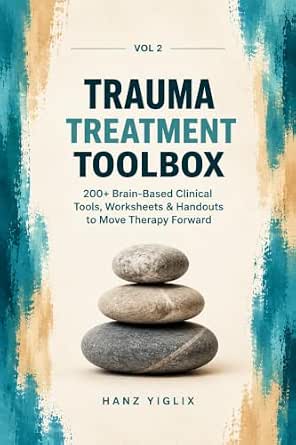

Trauma Treatment Toolbox
by Hanz Yiglix
509 pages · English · September 11, 2026

We publish brain-based therapy workbooks, toolboxes, and handouts built for real sessions. Less preparation. More focused therapy.
Latest releases
Explore our books in release order, from the Trauma Treatment Toolbox to the newest additions.
View all books →by Hanz Yiglix
509 pages · English · September 11, 2026
by Hanz Yiglix
477 pages · English · September 12, 2026

Explore resources
Clear guides, practical reflections, and trusted reading for mental health topics.
Guides and worksheets for clinicians, straight from the team behind the toolbox.
What clinicians say
The worksheets are the reason I keep coming back. They turn a full hour of preparation into a session that feels ready the moment my client sits down.
Dr. Elena Rodriguez
Licensed Clinical Psychologist
I've used the brain-based exercises with clients who struggled with everything else. The plain-language handouts bridge the science and the session beautifully.
James Whitfield, LCSW
Clinical Social Worker
Finally, resources that respect the clinician's time. Structured, practical, and easy to adapt — this is the toolbox I wish I had in grad school.
Priya Sharma, LPC
Licensed Professional Counselor
FAQ
Each volume contains 200+ brain-based clinical tools, worksheets, and client handouts organized around understanding the brain, regulating emotions, building coping skills, and supporting recovery.
They are written for therapists, counselors, psychologists, social workers, and other mental health professionals who work with trauma and want ready-to-use materials for real sessions.
Every volume is available in Paperback, Hardcover, and Kindle. All formats are listed on each book's card with a direct link to Amazon.
Yes. Click the eye icon on any book cover to open a free PDF preview of that volume before you decide.
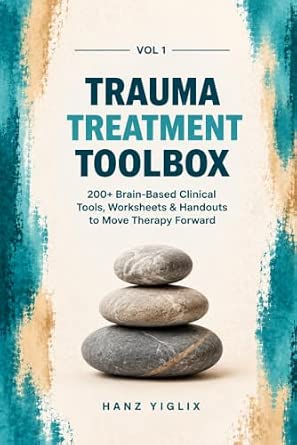
Volume 1 covers the foundations: brain-based trauma psychoeducation, regulation, and core coping tools. Volume 2 goes further with advanced transformation tools, relationship-focused interventions, and recovery planning. Most clinicians build their library one volume at a time.
The materials are designed to be used directly in sessions, and many worksheets are intended to be reprinted for individual client use as part of your clinical practice.