
The basics
What is complex PTSD?
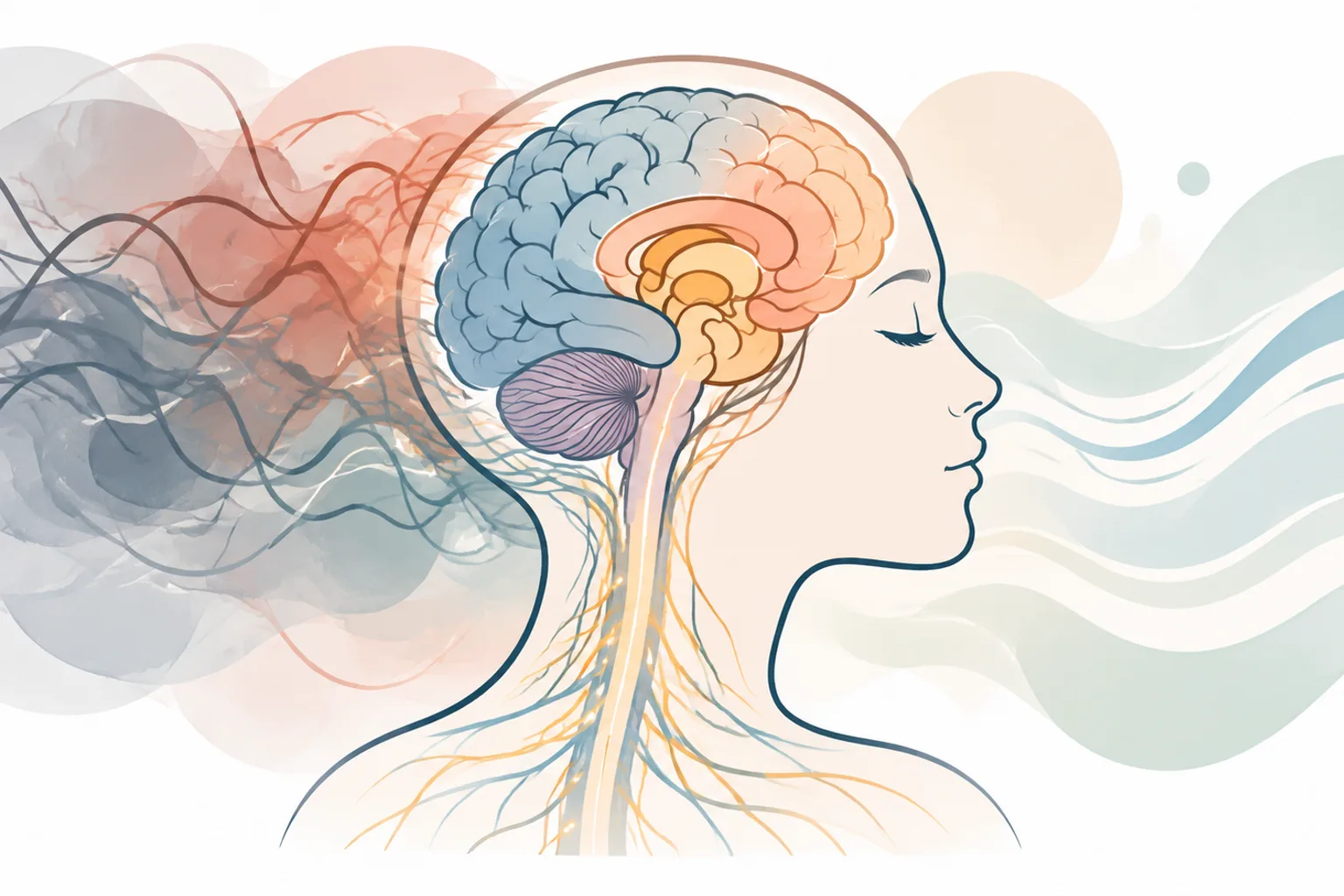
Complex post-traumatic stress disorder (CPTSD) is a condition related to PTSD. In the ICD-11, it includes the core features of PTSD together with persistent difficulties in emotion regulation, self-concept, and relationships. These additional areas are often called disturbances in self-organization.
CPTSD is more often associated with prolonged or repeated trauma, but a particular kind of event does not determine a diagnosis. People respond to traumatic experiences differently, and not everyone who experiences trauma develops PTSD or CPTSD.
Diagnostic systems also differ: ICD-11 lists CPTSD separately, while the DSM-5 does not have a separate CPTSD diagnosis. A qualified mental health professional can help make sense of symptoms within the system used in your region.
A framework, not a checklist
Patterns a clinician may explore
In ICD-11, CPTSD includes the main PTSD symptom areas and three broader areas of difficulty. Only a clinician can assess whether these patterns fit a person's experience.
Core PTSD features
- Reliving traumatic events as if they are happening now
- Avoiding reminders of the events
- A persistent sense of current threat or being on guard
Disturbances in self-organization
- Difficulty regulating strong emotions or feeling emotionally numb
- Persistent beliefs of being worthless or diminished
- Difficulty feeling close to, or maintaining relationships with, others
Finding support
Support can be shaped around you.
A mental health professional can discuss your concerns, explain available options, and work with you on a plan that reflects your needs and preferences. Treatments used for PTSD may also help people with CPTSD. Research is still developing on whether phase-based approaches work better than trauma-focused treatment alone, so this is a useful question to discuss with a clinician.
You might ask a prospective provider how they work with trauma, what choices you have about pace and methods, and what you can do if a session feels overwhelming. You do not need to share every detail of what happened before asking for help.
Questions you can take to an appointment
- What treatment options are available for my concerns?
- How will we decide on the pace and goals together?
- What can I do if I feel overwhelmed between appointments?
The NICE guideline covers recognition, assessment, and treatment of PTSD for adults, children, and young people. Treatment choices should be discussed with a qualified professional.
Optional practice
A brief orientation to the present
Grounding does not work the same way for everyone. If it feels comfortable, try this gentle check-in; skip any step that does not feel right.
- STEP 01
Look around and name a few neutral things you can see.
- STEP 02
Notice what is supporting your body, such as a chair or the floor.
- STEP 03
Remind yourself where you are and name one small thing you need now.
If focusing on the room increases distress, stop and choose another way to feel supported. A clinician can help you find strategies that suit you.
Read more about groundingLearn from trusted sources
Further reading
Keep exploring
Read practical articles on trauma responses, grounding, and emotional regulation.
Visit the blog