

Why Grounding Techniques Are Essential for Trauma Recovery
Practical Tools for Returning to the Present Moment
When someone is in the middle of a trauma response, talking about what happened can be the least helpful thing to do. Words require a brain that is already online, and an activated nervous system is not there yet.
Grounding techniques offer a different starting point. They use the senses to bring attention back to the present moment, and that shift is often what makes everything else possible.
In trauma therapy, grounding is one of the most practical skills a client can learn. It is simple enough to use in a session, portable enough to use between sessions, and useful long after the difficult work is finished.
What Is Grounding?
Grounding is a set of techniques that connect a person to their immediate physical surroundings through the senses.
When attention moves to the present moment, the nervous system receives information that the current situation is not an emergency. Grounding works by engaging the body directly, without asking a person to talk about, remember, or process anything difficult.
Common grounding prompts include:
- Name five things you can see
- Notice four things you can feel
- Listen for three sounds
- Identify two things you can smell
- Notice one thing you can taste
- Feel your feet on the floor
- Describe the surface you are sitting on
- Name the day of the week and where you are
These prompts are simple, but the reason they work is not.
Why Grounding Works
Grounding is often described as a distraction technique. That is only part of what happens.
Attention Moves Into the Present
When a person is grounded, attention is directed toward current sensory information. This reduces the processing of internal cues such as remembered images, physical sensations, or frightening predictions.
The Body Receives Current Information
The nervous system determines safety partly from information about the present moment. Concrete sensory input provides evidence that the current situation differs from the remembered danger.
Attention Becomes Controlled
Trauma responses are often associated with attention that feels stuck, rapid, or scattered. Grounding offers a simple, concrete task, which restores a sense of control through doing rather than through reasoning.
You do not have to calm down before you can ground. You ground in order to calm down.
The 5-4-3-2-1 Technique
The 5-4-3-2-1 technique is one of the most widely used grounding methods. It works through the five senses and is easy to remember under stress.
A therapist might guide someone through it like this:
- Name five things you can see
- Notice four things you can feel
- Listen for three distinct sounds
- Identify two things you can smell
- Notice one thing you can taste
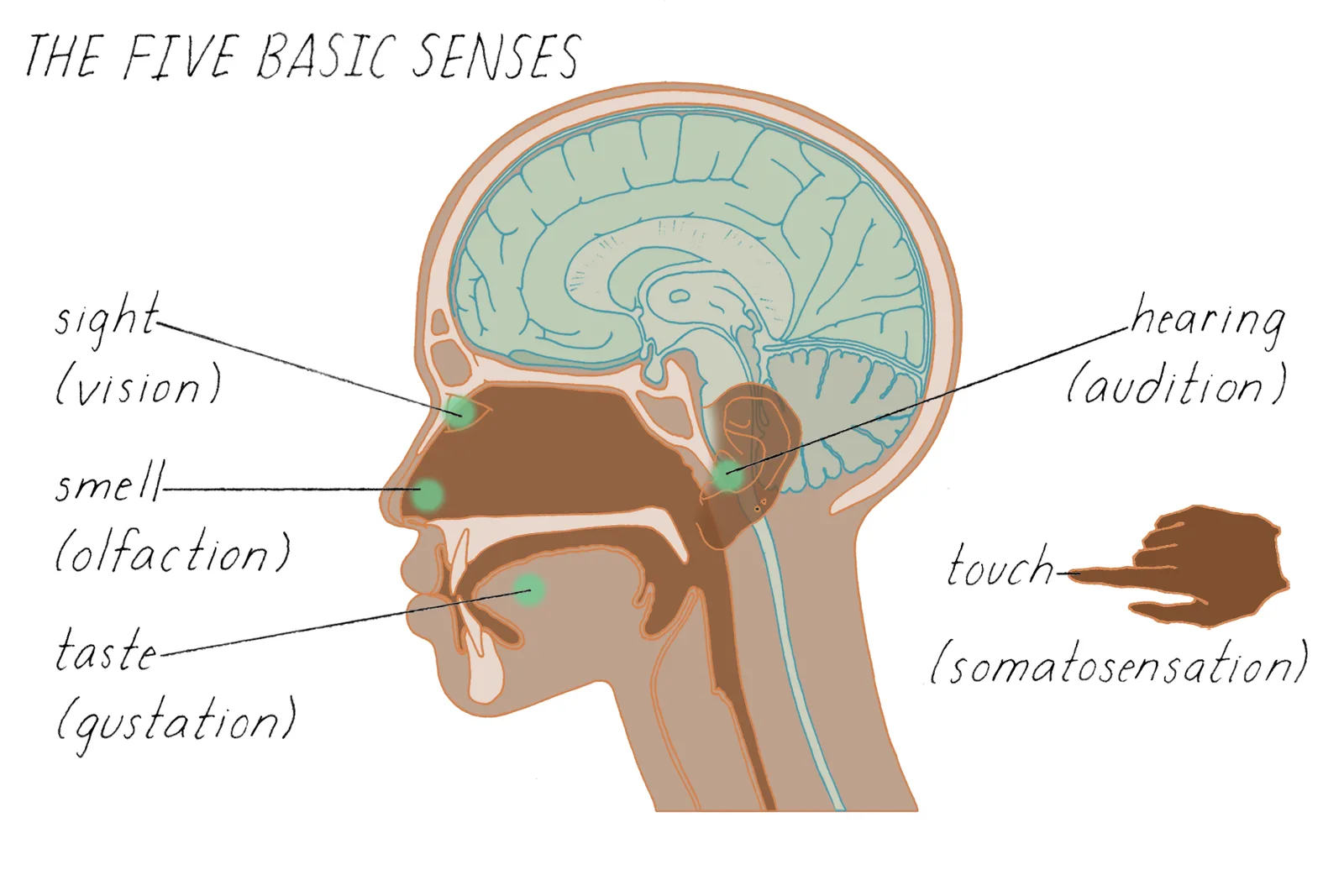
Because each step narrows attention, the technique builds gradually. A person who cannot complete all five steps often benefits from stopping after two or three.
When 5-4-3-2-1 Is Not Enough
The technique depends on the senses being available and reliable. Some clients find it difficult when they are numb, detached, or struggling to focus.
In those cases, grounding can shift toward external focus rather than internal sensation. Finding something in the environment that is neutral and specific is often more effective than searching for a feeling.
Sensory Grounding
Sensory grounding uses physical objects and immediate physical sensations to anchor attention.
Useful objects include:
- A cold glass of water
- A smooth stone
- A textured blanket
- Essential oil on a tissue
- Ice held briefly in the hand
- A warm drink held with both hands
Temperature is often the strongest element. Heat and cold are hard to ignore, and they give the nervous system clear, current information.

Sensory grounding works well between sessions because most objects can be kept in a wallet, a pocket, or a bag.
Physical Grounding
When someone is activated or dissociated, the body can feel distant. Physical grounding narrows attention to a specific part of the body.
Feeling the Feet on the Floor
This is one of the simplest and most reliable physical grounding exercises. It requires no equipment and no movement.
A therapist might ask a client to:
- Press both feet firmly into the floor
- Notice the temperature and texture of the surface
- Shift weight from heel to toe
- Notice how much of the foot is in contact

Orienting to the Room
Orienting involves slowly looking around the room and naming what is there. It helps a person establish where they are in space.
Common prompts include:
- Look slowly to the left and name three things
- Look up and describe what is on the ceiling
- Find the door, and name the colour of the frame
Orienting is often used when a client is dissociated, because it answers a very basic question: where am I?

Cognitive Grounding
Cognitive grounding uses simple facts and neutral statements to reconnect a person with the present moment.
Examples include:
- Name the current day of the week
- State the current location
- List three things happening right now
- Describe one object in detail: its colour, weight, and texture
- Say out loud that the danger has passed
Cognitive grounding works best when the statements are plain and verifiable. It is not meant to be positive thinking.
Instead of telling someone that nothing bad is happening, ask them to describe exactly what is happening.
The difference matters. Dismissive reassurance can feel invalidating, while concrete description is difficult to argue with.
Self-Soothing and Emotional Grounding
Grounding is not only about orienting to the environment. It can also include actions that signal care and safety to the nervous system.
A hand placed over the chest, or one hand supporting the other, is a simple self-soothing gesture. It provides gentle, predictable pressure and warmth.

Other self-soothing options include:
- Wrapping arms around the body
- Holding a pillow or blanket firmly
- Drinking water slowly
- Speaking in a low, calm voice
- Allowing silence instead of filling it
Which Grounding Technique Fits Which State?
There is no single technique that works for everyone or in every situation. Choosing the right one depends on the state of the nervous system.
Anxious or activated. Longer exhale, feet on the floor, and orienting to the room. The goal is to reduce activation enough for the person to stay present.
Dissociated or numb. External focus, cold or textured objects, and detailed description. The goal is to reconnect with the body and with the environment.
Overwhelmed by emotion. Simple sensory steps, one sense at a time. The goal is to reduce how much information is being processed at once.
Already grounded. No intervention is needed, and noticing the state is useful information in itself.
A useful clinical question is not which technique should I use? but rather what does this person need right now?
Common Challenges
It Can Feel Silly
A client may resist techniques that sound too simple to be real. This is common and worth naming directly.
The honest answer is that the technique is not meant to be impressive. It is meant to be usable at 2 a.m. when nothing else is available.
Sensory Memories Can Interfere
For some people, a particular smell or sound is connected to the trauma itself. If a sensory prompt triggers distress, it should be changed rather than pushed through.
Too Many Steps Can Overwhelm
Asking for ten things at once may be more than a person can hold. Fewer steps, repeated slowly, are usually better than a long checklist.
Grounding Is Not a Cure
Grounding manages states. It does not resolve the underlying experiences, and it should not be presented as a replacement for processing work.
Grounding Techniques Practice Sheet
Use this between sessions, or in a quiet moment.
1. My Five Senses Right Now
Five things I can see:
Four things I can feel:
Three things I can hear:
Two things I can smell:
One thing I can taste:
2. My Body Anchor
The part of my body where I notice tension first:
A physical grounding exercise that works for me:
3. My Sensory Objects
An object I can keep with me that helps me feel safe:
One place in my environment that helps me feel oriented:
4. My Grounding Plan
The first thing I will try when I notice I am becoming activated:
The second thing I will try:
Using Grounding in Therapy Sessions
Grounding can be introduced in early sessions as a way to build a shared vocabulary for nervous system states.
A therapist might begin by asking what a client already does to feel more steady, rather than presenting a list of techniques. Existing strategies are usually more reliable than new ones.
Over time, the client and therapist can build a simple personal protocol: the techniques that work, the situations that call for them, and how long they usually take.
This matters because the goal of therapy is not only for a client to ground during a session. It is for them to have a reliable way to ground when no one is there to guide them.
Key Takeaways
- Grounding connects a person to the present moment through the senses.
- It engages the body directly, without requiring the person to talk about difficult experiences.
- Attention into the present gives the nervous system current information about safety.
- 5-4-3-2-1 is a widely used method, but partial completion still counts.
- Physical grounding, such as feeling the feet on the floor, is simple and reliable.
- Cognitive grounding should stay concrete rather than becoming positive thinking.
- The right technique depends on the state of the person using it.
- Grounding manages states. It does not replace deeper therapeutic work.
Grounding is the bridge between the memory of danger and the room you are actually in. That bridge can be taught, practised, and carried out of the session.
Ready to use these tools in session?
The Trauma Treatment Toolbox gives you 200+ ready-to-adapt worksheets, client handouts, and clinical tools per volume.






Keep exploring