
What Is the Window of Tolerance and Why Does It Matter in Trauma Therapy?
Understanding Emotional Regulation After Trauma
Many people who experience trauma notice that their emotions sometimes feel overwhelming or difficult to control. They may experience moments when they feel:
- Extremely anxious or overwhelmed
- Unable to calm down
- Disconnected from their emotions
- Numb or emotionally shut down
- Like their reactions are stronger than the situation requires
These experiences are often connected to the nervous system and a concept known as the Window of Tolerance.
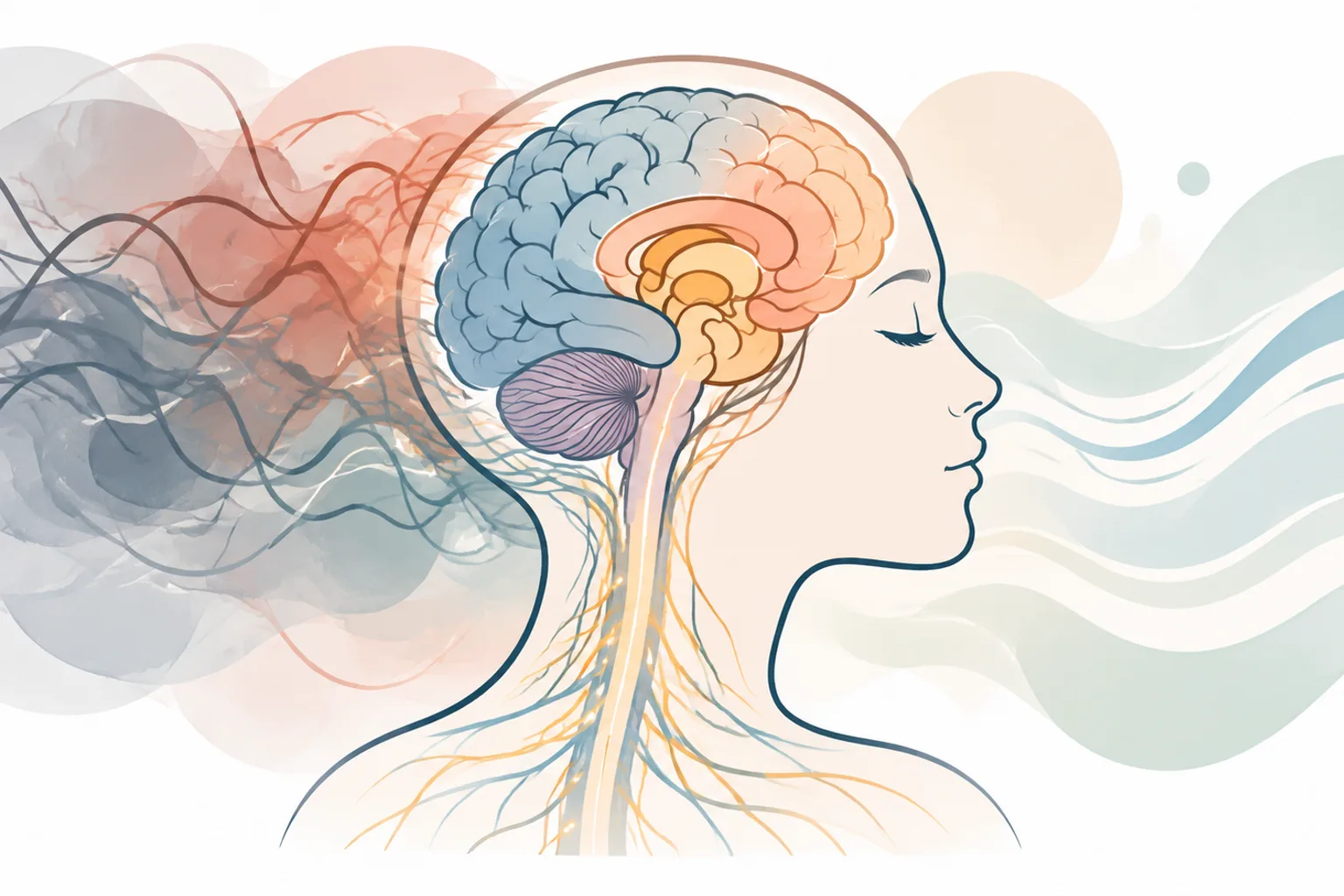
The Window of Tolerance helps explain why people sometimes feel calm, focused, and emotionally balanced, while at other times they feel flooded by emotions or disconnected from themselves.
In trauma therapy, understanding this concept helps clients and professionals recognize nervous system states and develop strategies that support emotional regulation.
What Is the Window of Tolerance?
The Window of Tolerance describes the optimal emotional state where a person can manage stress, process information, connect with others, and respond effectively to challenges.
Inside this window, the nervous system is regulated. A person is more likely to:
- Think clearly
- Manage emotions
- Communicate effectively
- Make decisions
- Stay connected to the present moment
- Process difficult experiences safely
The goal of trauma therapy is not to avoid emotions or eliminate stress. The goal is to increase the ability to remain within the Window of Tolerance while experiencing life's challenges.
The Three Main Nervous System States
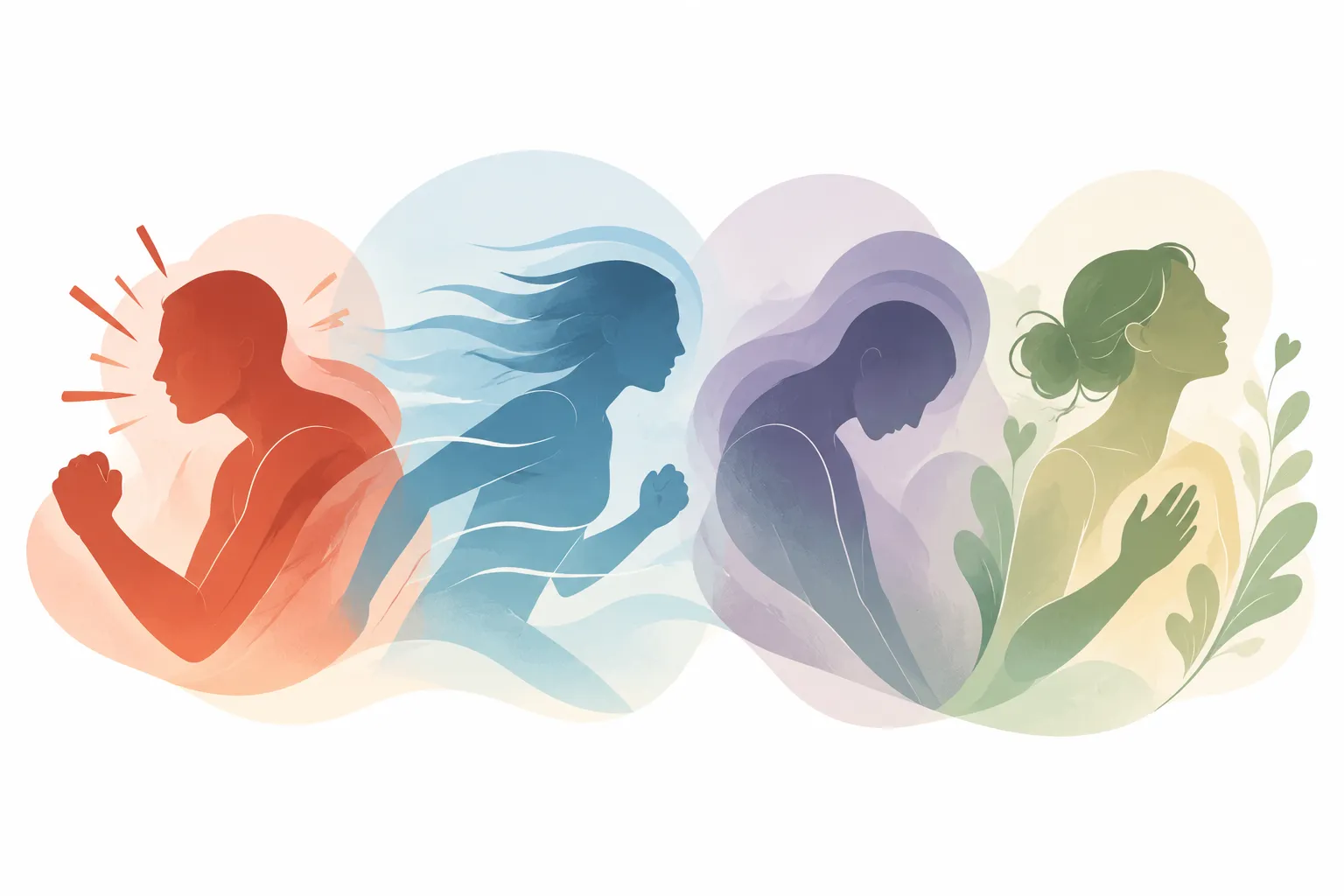
The Window of Tolerance is often understood through three main states:
- Regulation
- Hyperarousal
- Hypoarousal
Each state represents a different nervous system response.
1. The Regulated State: Inside the Window of Tolerance
When a person is inside their Window of Tolerance, they are able to experience emotions without becoming overwhelmed. The nervous system feels balanced.
Common signs include:
- Calm breathing
- Ability to focus
- Emotional awareness
- Flexible thinking
- Ability to connect with others
- Feeling present and grounded
Being regulated does not mean feeling happy all the time. A regulated person can experience sadness, frustration, or stress while still maintaining a sense of control and safety.
2. Hyperarousal: When the Nervous System Goes Into Overdrive
Hyperarousal occurs when the nervous system becomes highly activated. The body enters a protective state designed to respond to danger.
This state is connected to survival responses such as:
- Fight
- Flight
A person experiencing hyperarousal may feel:
- Anxiety
- Panic
- Irritability
- Anger
- Racing thoughts
- Muscle tension
- Difficulty sleeping
- Feeling constantly alert
The internal message may become:
"Something is wrong. I need to protect myself."
Common Hyperarousal Triggers
Examples may include:
- Conflict
- Unexpected changes
- Feeling criticized
- Memories of past experiences
- Feeling unsafe
- Relationship stress
The nervous system may react based on previous experiences, even when the current situation is different.
3. Hypoarousal: When the Nervous System Shuts Down
Hypoarousal occurs when the nervous system decreases activity as a protective response. Instead of becoming activated, the body moves toward shutdown.
This state may be connected to:
- Freeze responses
- Dissociation
- Emotional numbness
A person experiencing hypoarousal may notice:
- Feeling disconnected
- Low energy
- Emotional numbness
- Difficulty thinking
- Feeling distant from others
- Lack of motivation
The internal message may become:
"The safest option is to disconnect."
Why Trauma Can Narrow the Window of Tolerance
Trauma can affect how the nervous system responds to stress. After overwhelming experiences, the brain may become more sensitive to possible danger.
This can cause the Window of Tolerance to become smaller. A person may leave their regulated state more quickly when experiencing:
- Stress
- Conflict
- Strong emotions
- Reminders of past experiences
A situation that another person experiences as mildly stressful may feel extremely threatening to someone whose nervous system has learned to stay prepared for danger.
The Role of the Brain in Regulation
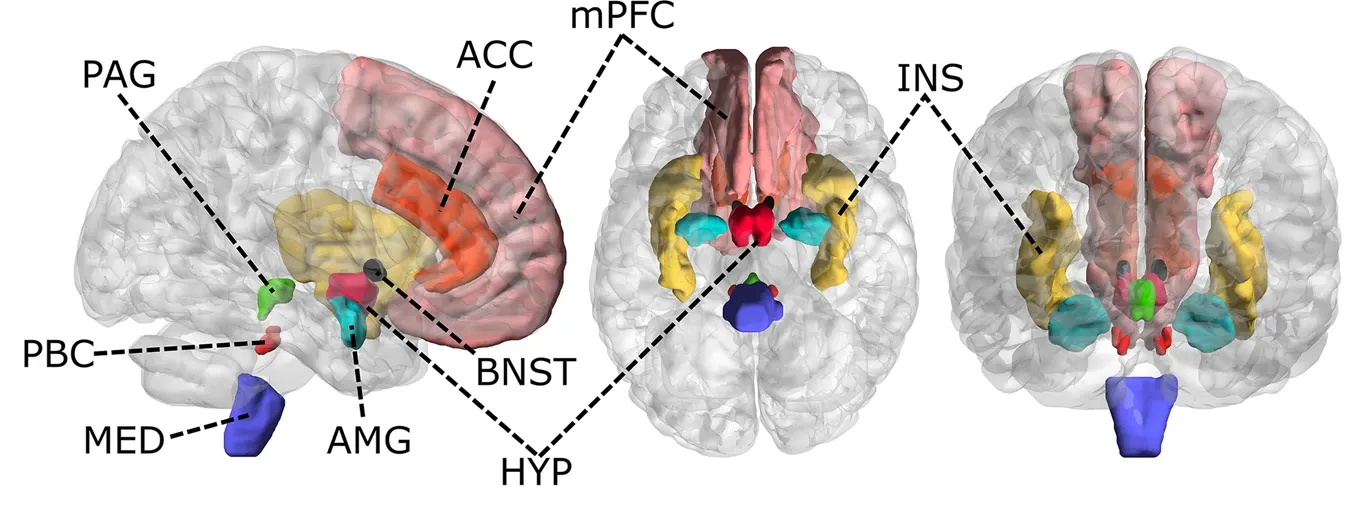
Several brain systems help manage emotional responses.
The Amygdala
The amygdala helps detect threats and activate protective responses. When the amygdala senses danger, it can trigger survival reactions quickly.
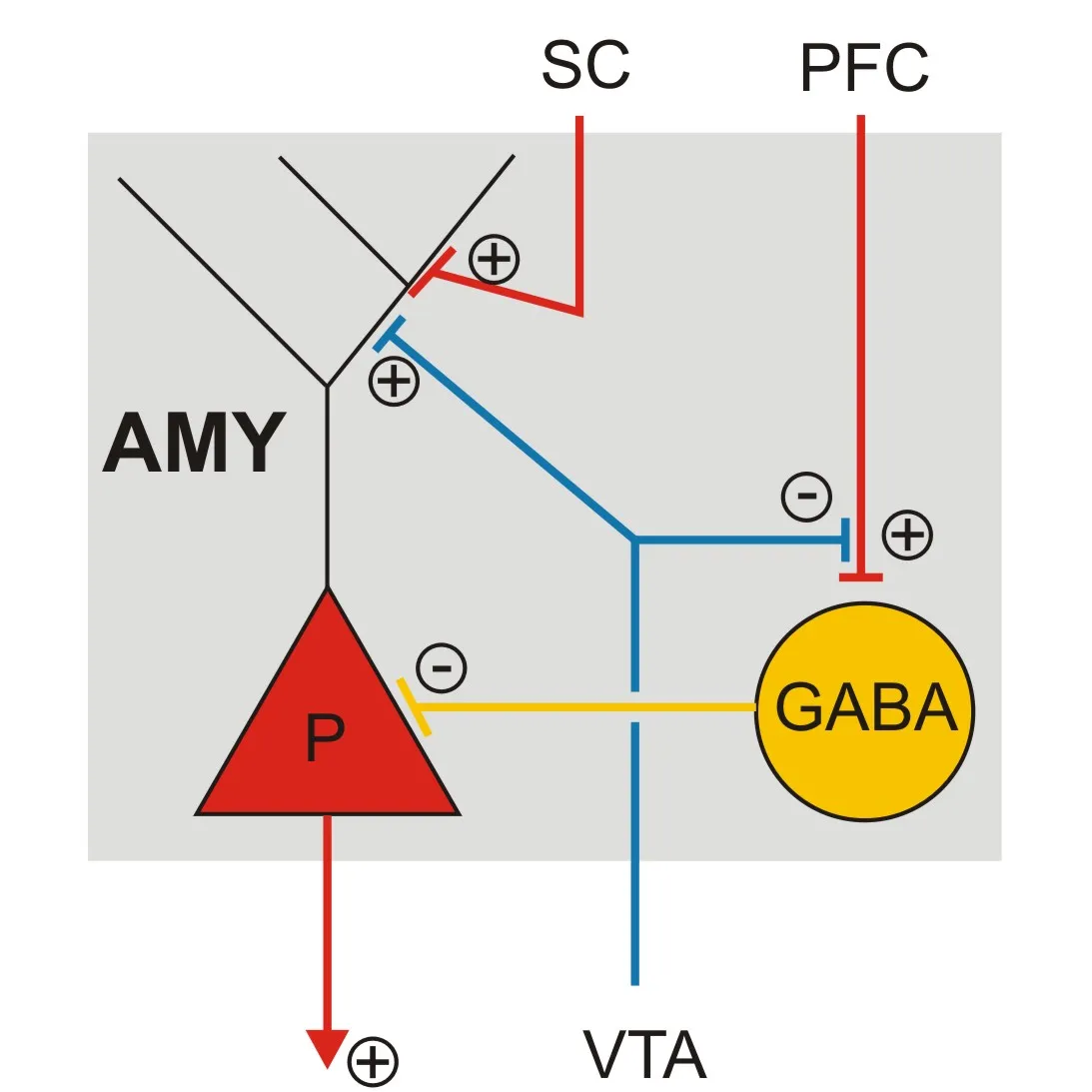
The Prefrontal Cortex
The prefrontal cortex supports:
- Reasoning
- Decision-making
- Emotional regulation
- Perspective-taking
When someone becomes highly activated, accessing these skills may become more difficult.
The Nervous System
The nervous system constantly communicates information between the brain and body. It helps determine:
- When to activate
- When to relax
- When to protect
- When to recover
Trauma therapy often focuses on helping the nervous system recognize safety again.
Why the Window of Tolerance Matters in Trauma Therapy
Understanding the Window of Tolerance helps therapists and clients identify when emotional processing is productive and when additional stabilization may be needed.
When someone is outside their Window of Tolerance, processing difficult memories may become overwhelming. A person may need:
- Grounding skills
- Breathing exercises
- Emotional regulation strategies
- Body awareness practices
- Safety-building techniques
before deeper trauma processing.
Expanding the Window of Tolerance
The goal is not to stay calm all the time. The goal is to increase flexibility and resilience.
A larger Window of Tolerance allows a person to:
- Experience emotions safely
- Recover faster after stress
- Stay connected during difficult moments
- Respond instead of automatically reacting
Strategies That Support Regulation
Grounding Techniques
Grounding helps bring attention back to the present moment. Examples:
- Naming things you see around you
- Feeling your feet on the floor
- Noticing sounds
- Using sensory objects

Breathing Practices
Slow, intentional breathing can help communicate safety to the nervous system. Examples:
- Extended exhale breathing
- Box breathing
- Slow rhythmic breathing
Body Awareness
Learning to recognize body signals can help identify emotional activation earlier. Notice:
- Muscle tension
- Heart rate changes
- Breathing patterns
- Body sensations

Safe Connections
Supportive relationships can help regulate the nervous system. Healthy connection can create experiences of:
- Safety
- Trust
- Understanding
- Belonging
Window of Tolerance Reflection Exercise
My Current State
Right now, I feel:
- Calm and connected
- Activated and overwhelmed
- Disconnected or shut down
Signs My Body Gives Me
When I leave my Window of Tolerance, I notice:
What Helps Me Return to Regulation?
Window of Tolerance in Therapy Sessions
Therapists often observe signs that a client may be moving outside their Window of Tolerance. Possible signs include:
- Rapid emotional escalation
- Difficulty staying present
- Emotional shutdown
- Avoidance
- Difficulty communicating
Recognizing these signs allows therapy to move at a pace that supports safety and effectiveness.
Key Takeaways
- The Window of Tolerance describes the state where a person can manage emotions and stress effectively.
- Trauma can make the nervous system more reactive and reduce emotional flexibility.
- Hyperarousal and hypoarousal are protective states, not personal failures.
- Regulation skills can help expand the Window of Tolerance.
- Trauma therapy focuses on building safety, awareness, and resilience.
Understanding your nervous system is an important step toward understanding yourself. Healing begins when the brain and body learn that safety is possible again.
Ready to use these tools in session?
The Trauma Treatment Toolbox gives you 200+ ready-to-adapt worksheets, client handouts, and clinical tools per volume.






Keep exploring